

A visit to the decision-making heart of the EU – the European Parliament – provided an opportunity to reinforce the vital role of the lead industry and the role it plays in maintaining and hopefully growing Europe’s industrial strength.
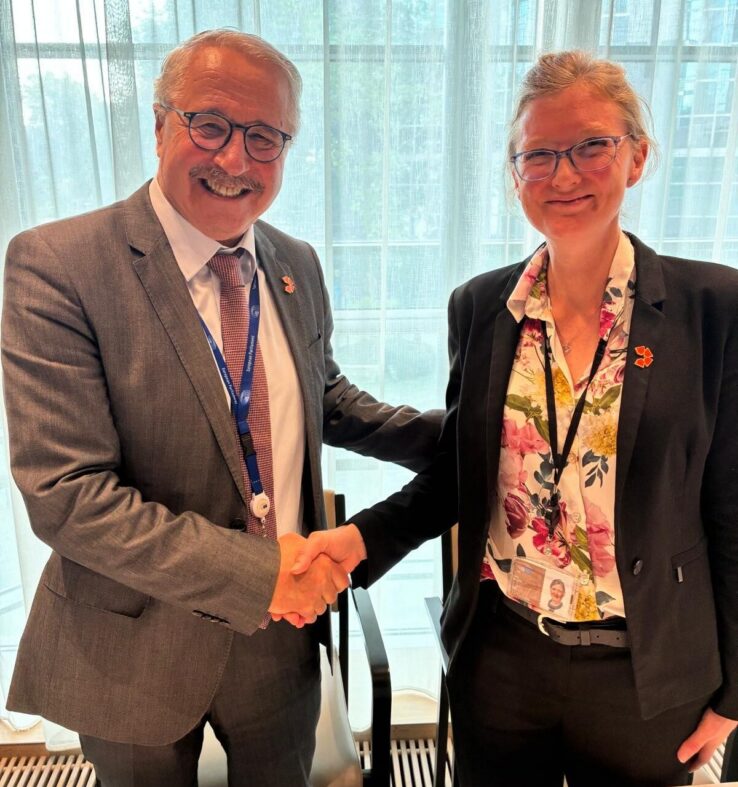
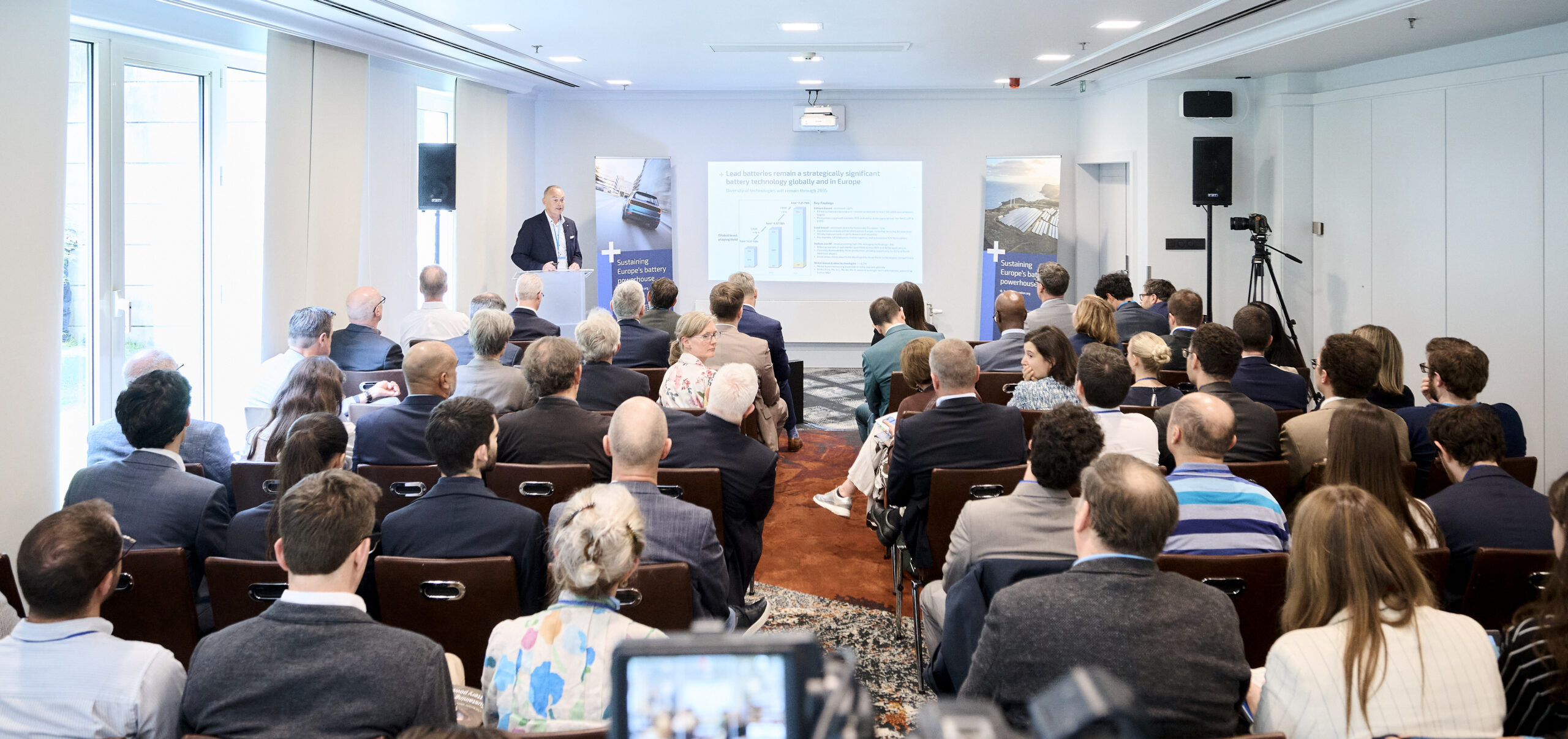
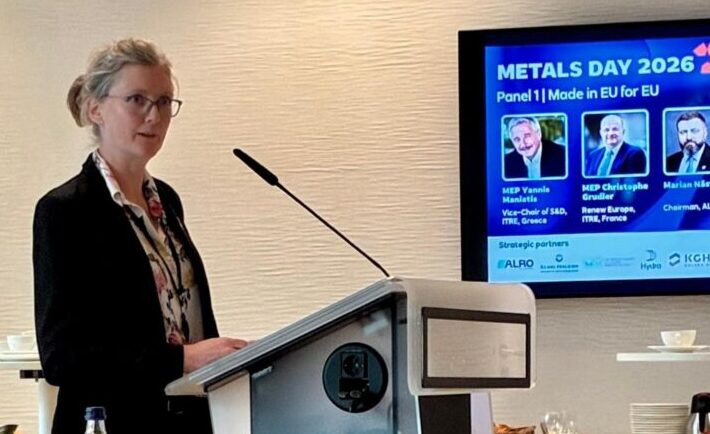
On 29 September, I met with influential MEPs who support European industries by promoting a long-term industrial strategy for Europe. Speaking on a panel alongside MEPs Prof. Yannis Maniatis and Christophe Grudler, I welcomed the concept of an EU Industrial Accelerator Act, calling for increased recognition of the strategic importance of lead and lead batteries and their essential role in underpinning Europe’s economy both now and in the future.
Lead and lead batteries have in the past been something of a poor relation when it comes to policy discussions around strategically important raw materials. But now more than ever, Europe needs to secure its supply of metals and other materials which underpin industry, society, and the economy. As MEP Grudler said, the metals industry isn’t an old industry, it’s foundational.
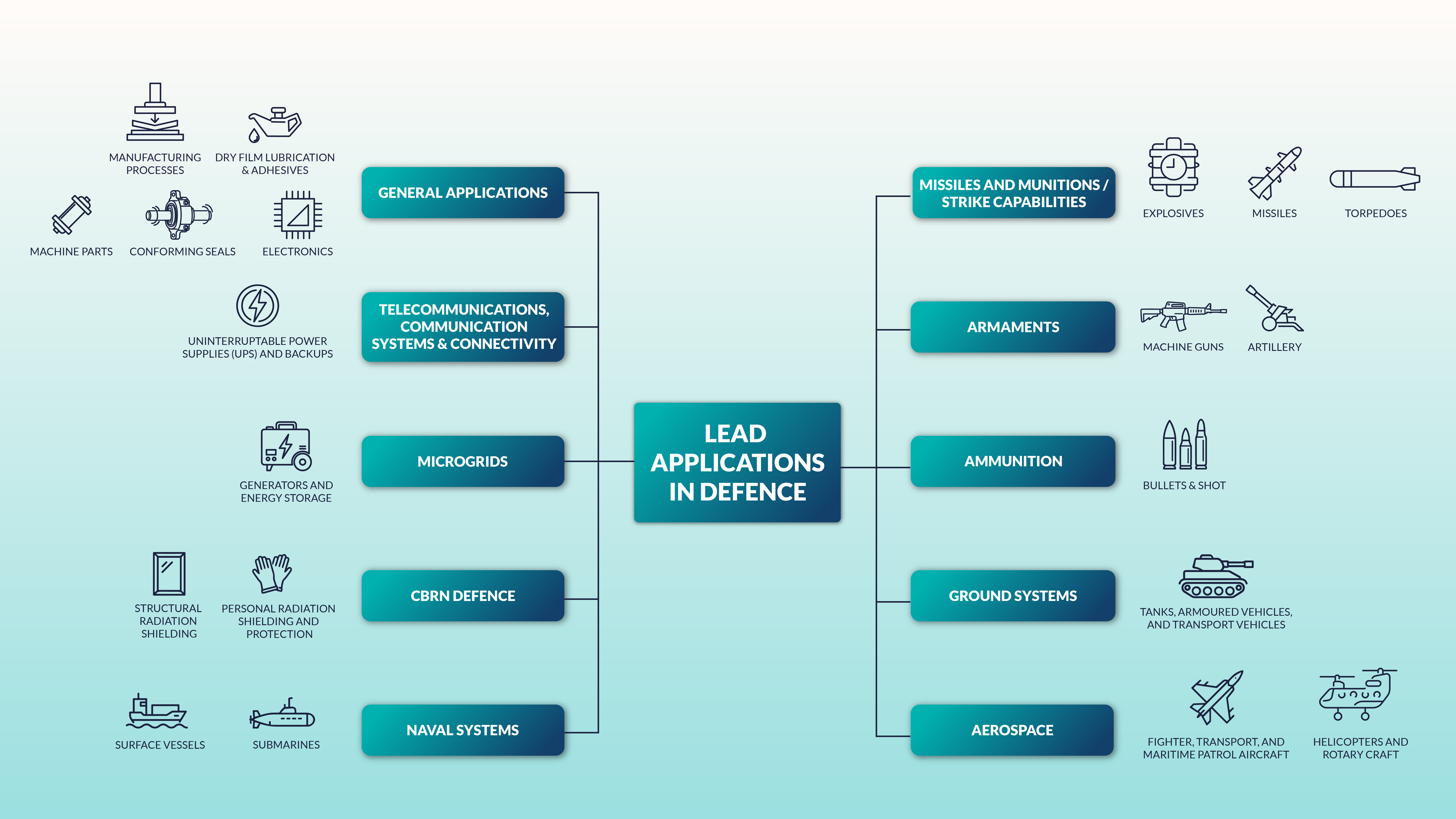
Lead is an essential part of the industrial ecosystem in Europe, a base metal whose main value chain – advanced lead batteries – contributes €7.3 trillion in GDP to the EU and which supports vital applications in healthcare, renewable energy storage, safety systems for aircraft and power stations, transportation, integration of wind energy to the grid, transboundary energy interconnection, regional security and defence, … and so much more. Thankfully, policymakers are starting to recognise the essential role of lead and lead batteries in critical industries and infrastructure, in Europe’s energy and digital transitions, and as a “carrier metal” enabling the efficient and cost-effective production of other materials including silver, tin and critical raw materials such as antimony and bismuth.
Without lead metallurgy, Europe would be dependent on Third Countries to power the 340 million vehicles already on its roads, to provide essential back-up power to hospitals, substations and nuclear facilities, and to connects its growing number of wind farms to the grid. The United States has already designated lead a critical raw material, because it faces a domestic supply shortage. It’s essential that we protect and nurture the supply in Europe. Without secure supply in Europe, we would be forced to import more – the use of lead wouldn’t decline, because Europe needs lead. To me, relying on third parties for a metal essential to our energy security, our defence capabilities, and our industrial base, is a risky strategy. Europe’s strategic autonomy must be protected – and Europe’s thriving lead manufacturing, battery production, and recycling industries deserve – and need – to be supported and nurtured.
Lead matters to Europe, it’s made in Europe and recycled in Europe – let’s keep it that way.
You can read my speech full here.